A severe toothache can be one of the most uncomfortable experiences — and in many cases, it may indicate an underlying dental infection.
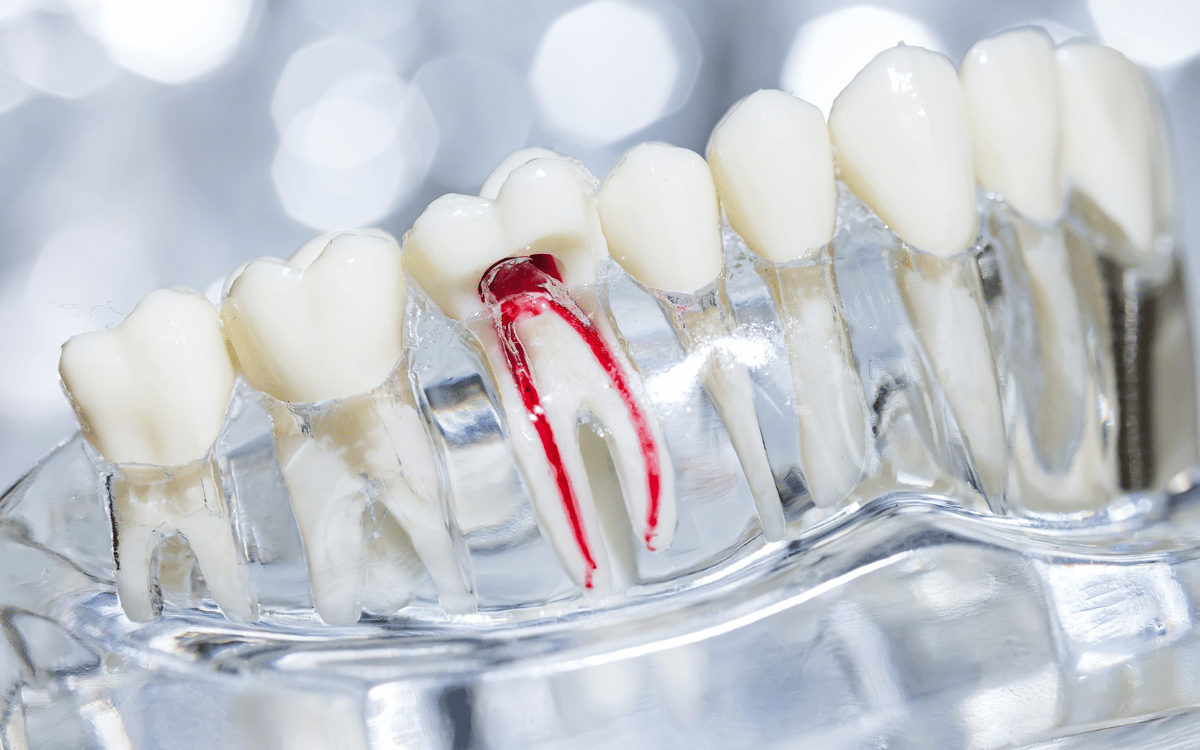
At Q Dental, root canal treatment is used to remove infection from inside the tooth and preserve your natural tooth wherever possible. With prompt care, this treatment can relieve pain and prevent the need for extraction.
Saving your natural tooth
A dental infection affects the inner part of the tooth (the pulp), causing inflammation and discomfort. If left untreated, it can spread and lead to more complex problems. Root canal treatment removes the source of infection, cleans the inside of the tooth, and seals it to prevent further issues — allowing you to keep your natural tooth for the long term. Using advanced diagnostic technology, we can detect infections early and provide precise, carefully planned treatment.
A more comfortable experience than expected
Root canal treatment has a reputation for being painful, but modern techniques have made it far more comfortable and straightforward than many patients expect. The procedure is carried out under local anaesthetic, and most patients find it no more uncomfortable than having a routine filling.
When should you seek treatment?
We recommend contacting us promptly if you experience:
- Persistent or severe toothache.
- Sensitivity to hot or cold.
- A darkened or discoloured tooth.
- Swelling around the tooth or gums.
- An unusual or unpleasant taste in the mouth.
Early treatment can make a significant difference in preserving the tooth and reducing discomfort.
Long-term protection
After root canal treatment, restoring the tooth properly is essential to ensure strength and durability. Back teeth often require a crown or onlay, while front teeth may be restored with a filling, depending on their condition. With proper care and regular dental visits, a root-treated tooth can last for many years.
FAQs
Why have root canal treatment?
- It helps save a natural tooth from extraction.
- It removes infection and prevents it from spreading.
- It relieves pain and discomfort.
- It prevents complications associated with tooth loss.
- It is often more cost-effective than replacing a missing tooth.
What does the treatment involve?
Root canal treatment is usually completed over one or more visits, depending on the tooth and the extent of the infection.
The process typically includes:
- Taking X-rays to assess the extent of infection.
- Gently removing the infected tissue under local anaesthetic.
- Cleaning and disinfecting the root canals.
- Shaping the canals using fine instruments.
- Sealing the canals to prevent reinfection.
- Restoring the tooth with a filling, onlay, or crown for long-term protection.
In some cases, additional treatments such as internal whitening (for front teeth) may be used to improve appearance.
Back to General Dentistry